
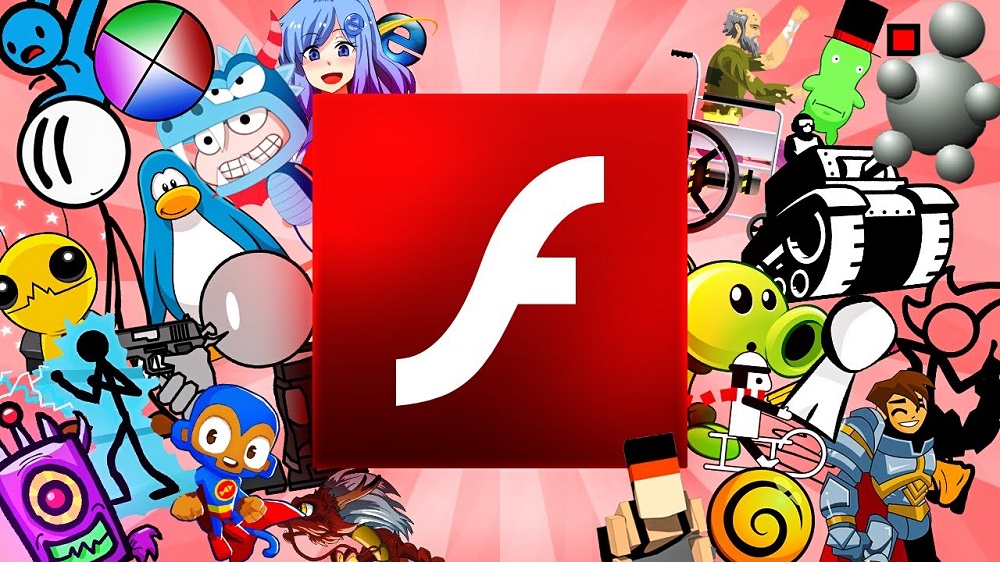

The history of video games is often told through the lens of major home consoles and groundbreaking personal computer titles. History books dedicate chapters to the technical leaps of early three-dimensional graphics, the console wars of the nineties, and the rise of multi-billion-dollar cinematic franchises. Yet, parallel to the growth of mainstream commercial gaming, a quiet revolution occurred inside web browsers. Fueled by a multimedia software platform known as Adobe Flash, a massive, decentralized universe of free, accessible titles emerged.
Flash games democratized interactive entertainment. They transformed school computer labs, office cubicles, and living room desktops into vibrant gaming hubs. For nearly two decades, these browser-based experiences captured the attention of millions of individuals who did not identify as traditional gamers. By eliminating financial and hardware barriers, Flash gaming established the foundational design principles, distribution methods, and consumption habits that define the modern casual gaming industry.
The Birth of True Digital Accessibility
Before the explosion of browser-based gaming, playing a video game required a deliberate financial commitment and specific hardware. Consumers had to purchase dedicated gaming consoles, upgrade expensive computer components, or frequent physical arcades. Software was distributed via physical cartridges, floppy disks, or compact discs. This model naturally restricted gaming to a demographic willing and able to afford these entry costs.
Flash technology completely upended this dynamic. Originally developed to create lightweight web animations, creators quickly realized the software could handle complex interactive physics, logic, and audio elements. Because the Flash plugin was tiny and bundled automatically with virtually every web browser, playing a game became as simple as clicking a hyperlink.
There were no long installations, no hardware compatibility issues, and no upfront fees. This friction-free environment opened the floodgates to a massive demographic. Students, parents, and working professionals who would never purchase a dedicated gaming setup suddenly found themselves playing puzzle games, virtual strategy titles, and physics simulations during brief windows of downtime.
The Creative Wild West of Indie Development
The commercial gaming industry of the late nineties and early 2000s was highly risk-averse. Developing a game required large teams, substantial budgets, and the approval of corporate publishers who favored safe, established genres. Flash software shattered these gatekeeping mechanisms by offering an intuitive, accessible development environment.
A single teenager working in a bedroom could conceptualize, animate, code, and publish a game to a global audience within a matter of days. This democratization turned web platforms into a creative wild west. Because developers faced zero financial pressure to please corporate stakeholders, they experimented wildly with art styles, mechanics, and narrative themes.
Websites like Newgrounds, Kongregate, and Miniclip functioned as massive digital galleries. If a game was bizarre, avant-garde, or fiercely difficult, it could still find a dedicated global audience through organic viral sharing. This era birthed iconic franchises and experimental concepts that proved simple, loop-based gameplay mechanics could be intensely addictive.
Establishing the Blueprint for Modern Mobile Success
The legacy of the Flash era is explicitly visible in the multi-billion-dollar mobile gaming market of today. When smartphones proliferated, mobile developers did not look to complex console games for inspiration; they copied the exact mechanics perfected by Flash creators.
-
Physics-Based Puzzle Mechanics: Games that required players to launch projectiles to destroy structures or balance objects directly paved the way for massive mobile phenomena like Angry Birds.
-
The Infinite Runner and Distance Genre: Titles centered around launching a character as far as possible, upgrading equipment between runs, and repeating the cycle established the loop seen in early mobile hits like Temple Run and Jetpack Joyride.
-
Tower Defense and Strategy Templates: The precise balancing of spawning defensive structures to defeat linear paths of automated enemies was refined on web portals long before it migrated to mobile screens.
-
Micro-Session Gameplay Design: Flash games were explicitly designed to be completed or paused within five to fifteen minutes, a direct precursor to the snackable gameplay loops optimized for modern smartphone users.
The Evolution of Viral Marketing and Community Portals
Flash games were among the earliest examples of purely viral digital media. Long before the existence of modern social media algorithms, games achieved global scale through word-of-mouth recommendations, schoolyard whispers, and instant messaging links.
Web portals recognized that to keep users engaged, they needed to build social ecosystems around these free titles. Portals introduced user rating systems, text comment sections, high-score leaderboards, and collectible profile badges. These early social mechanics transformed gaming from an isolated, solitary experience into a shared communal activity.
Players vied for international ranking dominance, shared walkthrough strategies in forum threads, and formed personal relationships with independent developers. This participatory culture transformed passive internet users into active critics, curators, and creators.
The Preservation Crisis and the Digital Legacy
In late 2020, Adobe officially ended support for the Flash player, and web browsers systematically blocked the plugin due to longstanding security vulnerabilities and the rise of superior, open web standards like HTML5. This transition created an immediate digital preservation crisis. Virtually overnight, hundreds of thousands of culturally significant, independent games became unplayable on the modern internet.
Fortunately, the community that Flash built refused to let this history vanish. Dedicated archivists launched massive preservation initiatives, developing open-source emulators and standalone software engines to safeguard this digital heritage. These archival projects saved tens of thousands of browser titles, ensuring that future generations can study and enjoy the foundational artifacts of casual gaming history.
The transition away from Flash highlighted a vital lesson about the impermanence of digital media and the critical importance of proactive community archiving.
Frequently Asked Questions
How did Flash developers actually make money if their games were free?
Early Flash creators typically made money by selling non-exclusive licenses to various web portals, which would display banner advertisements around the gameplay window. As the industry matured, developers integrated in-game advertisements, secured sponsorships from major corporate brands, or introduced early iterations of microtransactions, allowing players to purchase cosmetic upgrades or extra levels.
Why did Apple famous rejection of Flash on iOS accelerate the end of the era?
When Apple launched the iPhone, executive leadership explicitly chose not to support Flash, citing high battery consumption, poor security, and a lack of optimization for touchscreens. This decision forced developers to choose between building for the browser or adapting to open mobile standards, shifting creative talent and corporate capital toward mobile application marketplaces.
What is the connection between the Flash era and the modern indie game boom?
Many of the most successful independent game creators today started their careers making free browser games. The rapid experimentation allowed by Flash served as a premier training ground. When platforms like Steam emerged, these developers transitioned their design skills to commercial platforms, producing major independent hits that retained the quirky, innovative spirit of the web browser.
How did school and office environments influence the design of Flash games?
Because developers knew a large percentage of their audience was playing stealthily during school hours or office shifts, they designed specific features to accommodate this environment. This included prominent boss keys that instantly hid the game behind a fake spreadsheet, simple keyboard controls that did not require a mouse, and options to instantly mute all game audio.
What role did Flash gaming play in the development of internet meme culture?
Flash games were deeply intertwined with early internet meme culture, often serving as the primary delivery system for viral humor. Creators frequently built games around trending internet videos, political satires, popular animations, and inside jokes. This cross-pollination created a unified digital subculture where gaming, animation, and internet humor existed as a singular experience.
Can you still play classic Flash games on a modern computer today?
Yes, thanks to community-led preservation software projects. Programs utilize custom desktop applications and custom web emulation to run legacy files safely without exposing modern computers to security risks, allowing users to browse and play massive catalogs of historical browser games offline.

Comments are closed.